
Tree Trimming Timing and Benefits
Tree trimmings involve the pruning and cutting of branches to maintain tree health, improve appearance, and ensure safety around properties. Proper timing of trimmings can prevent disease, promote growth, and reduce hazards caused by overgrown or damaged limbs.
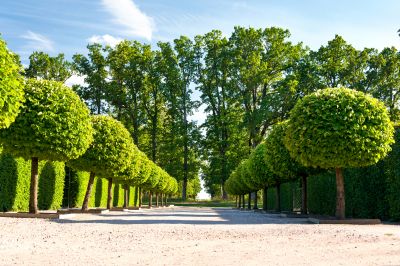
Ways to make Tree Trimmings work in tight or awkward layouts.
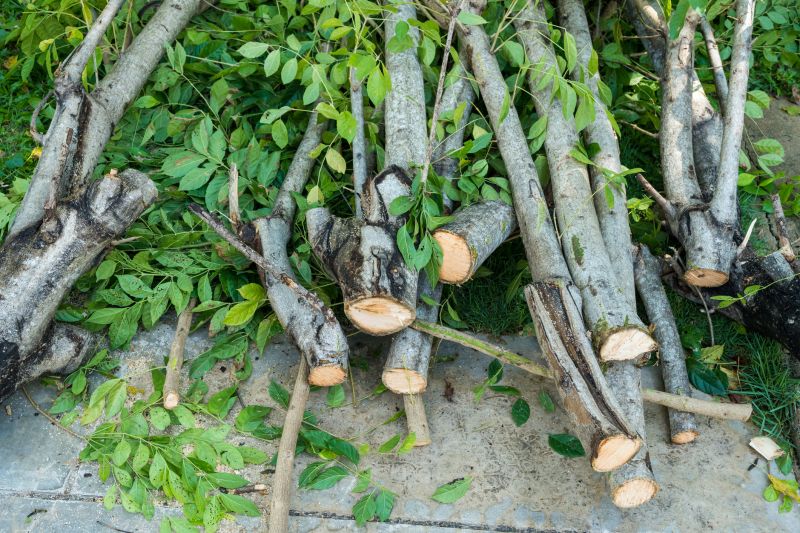
Popular materials for Tree Trimmings and why they hold up over time.
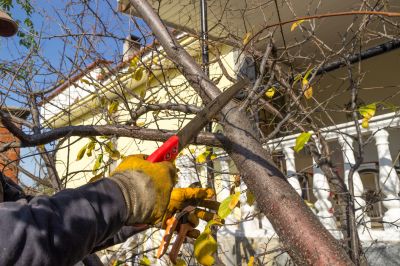
Simple add-ons that improve Tree Trimmings without blowing the budget.
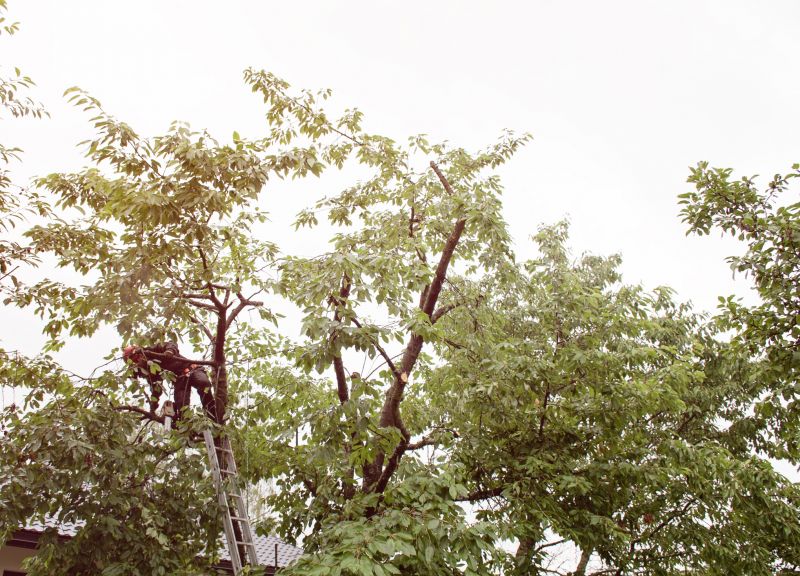
High-end options that actually feel worth it for Tree Trimmings.
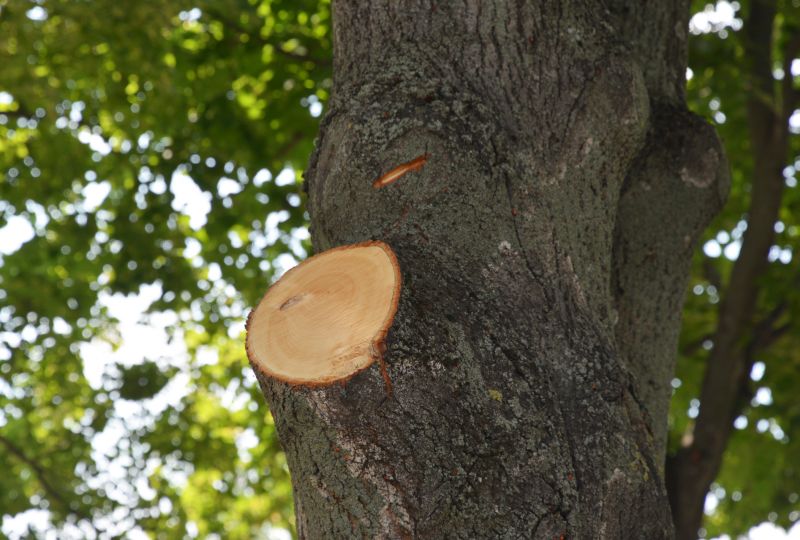
Finishes and colors that play nicely with Tree Trimmings.
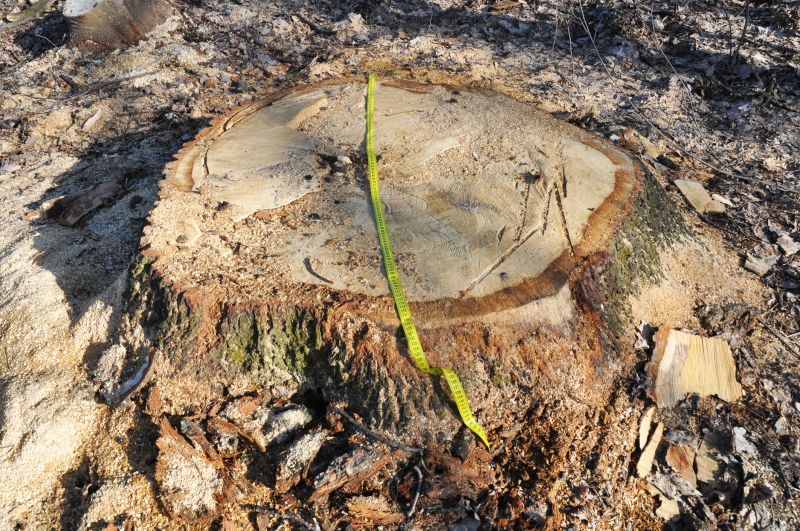
Little measurements that prevent headaches on Tree Trimmings day.
Late winter to early spring is ideal for trimming deciduous trees before new growth begins.
Summer trimming helps manage overgrowth and promotes healthy development during the growing season.
Trimming in fall can prepare trees for winter, but avoid heavy cuts to prevent stress.
Winter is suitable for pruning most trees, as it minimizes disease risk and allows for better visibility.
| Season | Recommended Timing |
|---|---|
| Winter | Late December to February |
| Spring | February to April |
| Summer | June to August |
| Fall | September to November |
Tree trimmings play a crucial role in maintaining the health and safety of trees. Proper timing ensures that pruning supports growth, prevents disease, and minimizes stress on the tree. Regular trimming during appropriate seasons can extend the lifespan of trees and enhance their aesthetic appeal.
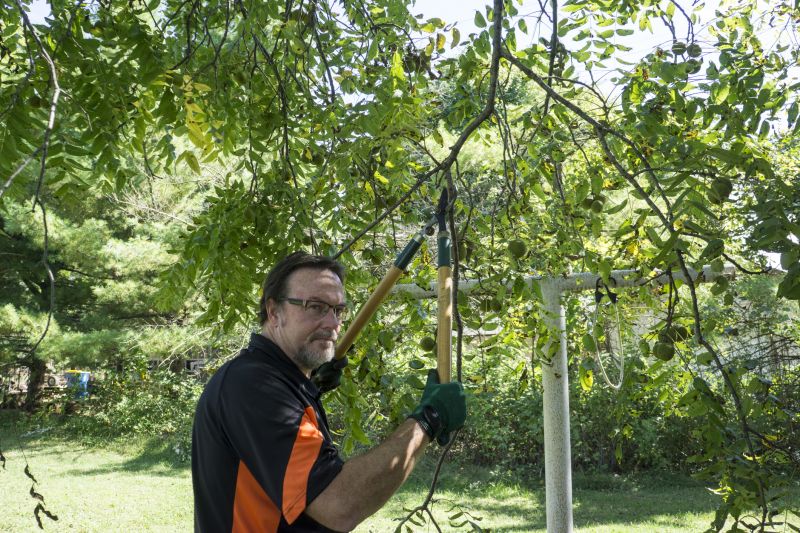
A 60-second routine that keeps Tree Trimmings looking new.
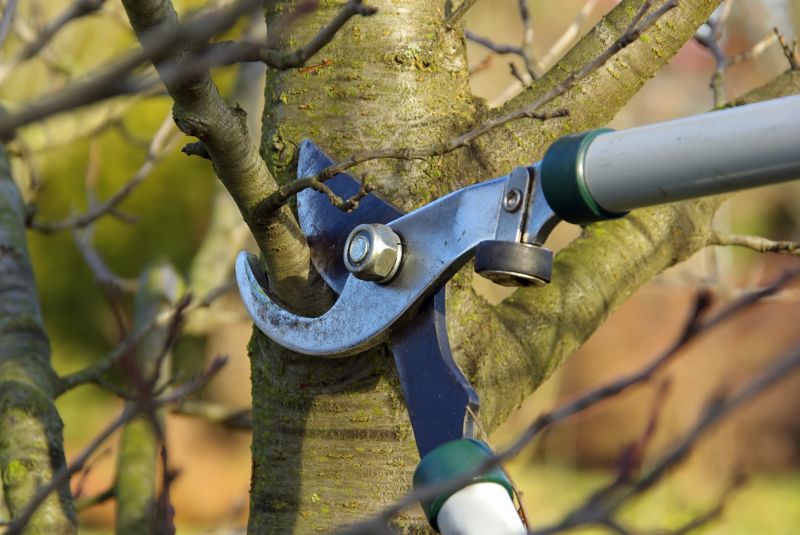
A frequent mistake in Tree Trimmings and how to dodge it.
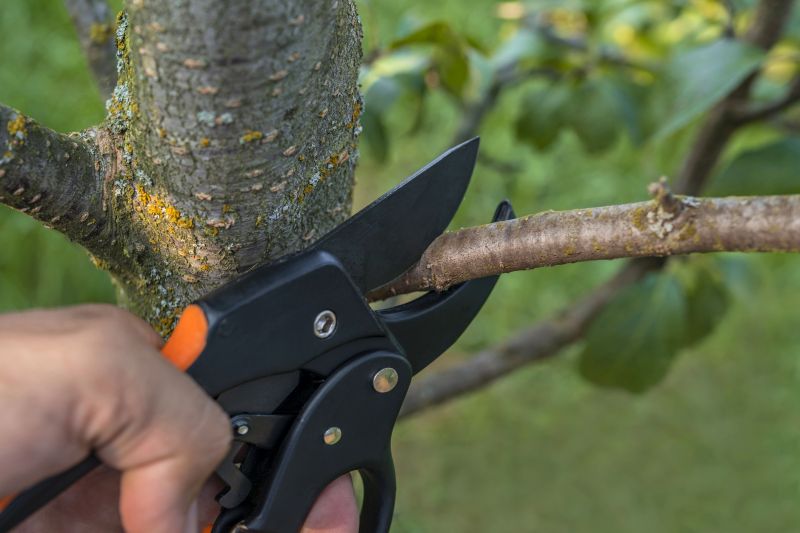
Small tweaks to make Tree Trimmings safer and easier to use.
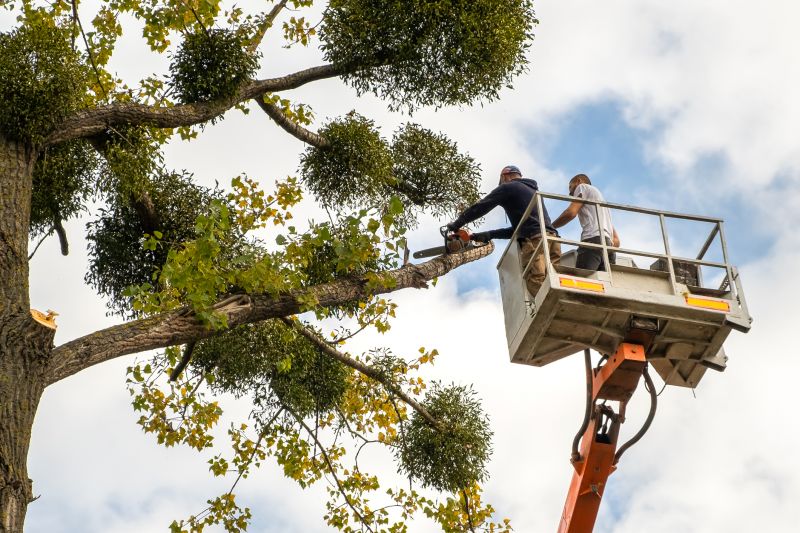
Lower-waste or water-saving choices for Tree Trimmings.
Interested in scheduling tree trimmings? Contact the local arborists in Salem, Oregon, to ensure trees are maintained at the optimal time for health and safety.